
Exploring how culture shapes attitudes toward gambling
The Influence of Cultural Norms on Gambling Perception
Cultural norms play a significant role in shaping how individuals perceive gambling. In societies where gambling is woven into the cultural fabric, such as in some parts of Asia and Europe, it is often seen as a form of entertainment and social interaction. Traditional games may hold historical significance, leading people to view gambling as a communal activity rather than merely a financial risk. This cultural acceptance encourages participation, often without the stigma associated with gambling found in more conservative societies. Online platforms, such as fairgo casino, have made it easier for people to engage in these activities comfortably.
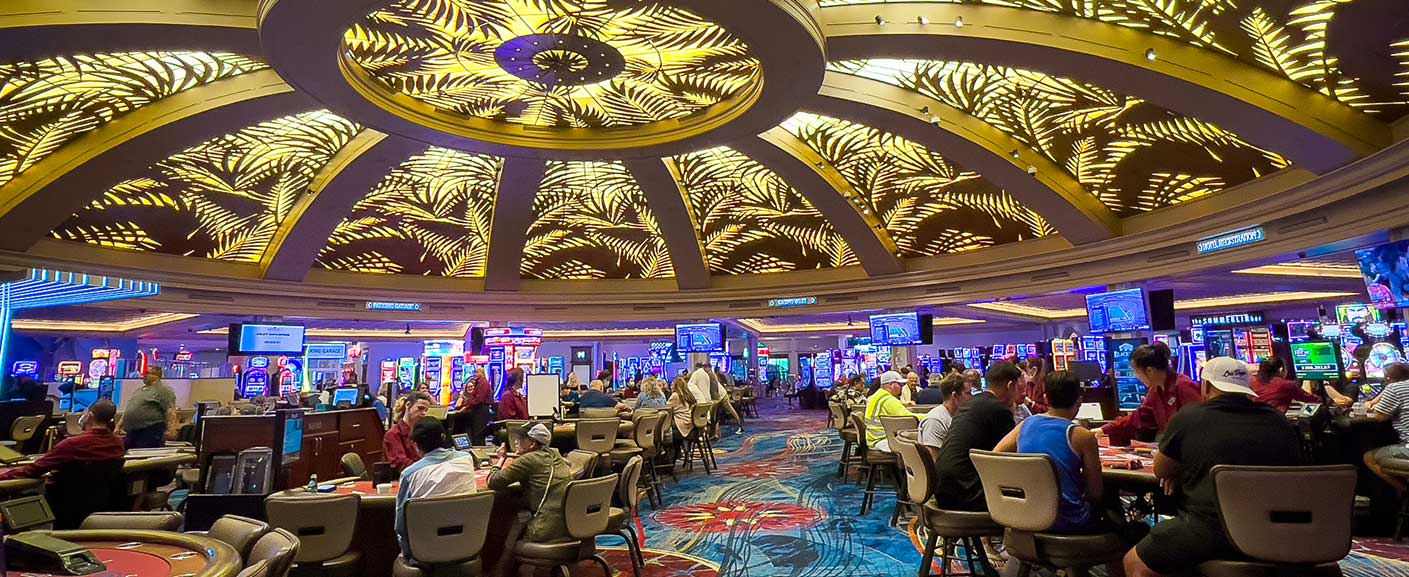
Conversely, in cultures that emphasize frugality and saving, gambling can be viewed negatively, often regarded as a vice or a moral failing. In such settings, negative stereotypes can proliferate, portraying gamblers as irresponsible or reckless. This perception can deter individuals from participating in gambling activities, even when they may have an interest. Hence, cultural beliefs profoundly impact individuals’ willingness to engage in gambling and shape their attitudes toward it.
Furthermore, the influence of cultural narratives surrounding luck and fate also colors gambling attitudes. For example, in cultures where luck is seen as a pivotal factor in success, gambling may be embraced as a means of capitalizing on fortune. In contrast, cultures that emphasize hard work and perseverance may promote skepticism toward gambling, viewing it as an unproductive pursuit. Understanding these cultural nuances is essential for grasping the broader societal attitudes toward gambling.
The Role of Religion and Beliefs
Religion often serves as a guiding force in shaping attitudes toward gambling. Many religious traditions advocate for moderation and caution against activities perceived as sinful or indulgent. For instance, certain branches of Christianity view gambling as morally questionable, while Islamic teachings strictly prohibit it altogether. These religious beliefs can create societal frameworks that discourage gambling participation and foster negative attitudes toward it.
In contrast, some cultures integrate gambling into religious rituals and festivities, celebrating it as part of the cultural identity. For instance, in some Native American traditions, games of chance are seen as a way to connect with ancestors and celebrate community. Here, gambling is not only accepted but celebrated, showcasing the diversity of beliefs surrounding this activity. The intersection of religion and gambling highlights how deeply ingrained beliefs can influence individual and collective attitudes.
The ongoing dialogue between secular beliefs and religious teachings also shapes gambling perceptions. As societies become more diverse and secular, traditional views may evolve, leading to a more accepting stance toward gambling in certain communities. Nevertheless, the influence of historical religious attitudes often continues to be felt, demonstrating that the relationship between culture, religion, and gambling is complex and multifaceted.
The Impact of Economic Factors on Gambling Attitudes
Economic conditions significantly affect cultural attitudes toward gambling. In regions experiencing economic hardship, gambling may be viewed as a desperate attempt to escape financial difficulties. Here, individuals might see it as a potential solution to their problems, leading to increased participation in gambling activities. Conversely, in wealthier societies, gambling is often framed as a leisure activity, reducing the stigma and encouraging a more casual approach to it.
The availability of gambling opportunities also influences attitudes. Regions with well-regulated casinos and online gaming platforms tend to normalize gambling, making it a common form of entertainment. In contrast, areas where gambling is illegal or heavily restricted may foster a culture of secrecy and shame surrounding the practice. This discrepancy highlights how economic factors can either support or stifle gambling, which in turn affects societal attitudes toward it.
Moreover, the marketing strategies employed by gambling establishments can shape public perception. Promotions highlighting the thrill and excitement of gambling often paint it as a glamorous lifestyle choice. This portrayal can attract individuals who wish to participate for entertainment rather than financial gain. By understanding the economic landscape, one can appreciate how these factors intertwine with cultural attitudes and influence individual decisions regarding gambling.
The Influence of Media and Popular Culture
Media plays a pivotal role in shaping cultural attitudes toward gambling. Television shows, films, and advertising often depict gambling as a glamorous and exciting activity, contributing to its acceptance in various societies. These portrayals can influence public perception, making gambling seem appealing and acceptable, especially among younger demographics. Consequently, the media can create a cultural environment where gambling is not only normalized but also glamorized.
Conversely, negative portrayals of gambling in media can reinforce stereotypes and fears, promoting a more conservative attitude. For instance, stories of gambling addiction and financial ruin serve to warn against the risks associated with gambling. This duality illustrates the powerful role that media narratives play in shaping cultural attitudes, often leading to conflicting views within society.
Additionally, the rise of social media platforms has transformed how gambling is perceived. Influencers and content creators often share their gambling experiences, further blurring the lines between entertainment and risk. As these narratives reach a broader audience, they can either promote a culture of excitement around gambling or raise awareness about its potential dangers, depending on the messages conveyed.

Fair Go Casino: A Cultural Perspective on Online Gaming
Fair Go Casino Australia exemplifies how culture and gambling intersect in the realm of online gaming. As a platform designed for casual slot players, it reflects the cultural nuances surrounding gambling, particularly in Australia. The website prioritizes user experience, showcasing a variety of RTG slot games that appeal to diverse cultural interests and preferences. This focus on inclusivity highlights how cultural factors influence not only attitudes but also market offerings within the gambling sector.
Moreover, Fair Go Casino recognizes the importance of responsible gaming, promoting messages that align with a balanced approach to gambling. By offering no deposit bonuses and secure banking options, it aims to create a safe environment for both new and experienced players. This commitment resonates with cultural values that prioritize safety and enjoyment, further bridging the gap between gambling and positive cultural experiences.
In conclusion, Fair Go Casino serves as a microcosm of how culture shapes attitudes toward gambling. By understanding the various cultural, economic, and media influences, we gain insights into the complex relationship between society and gambling. As the landscape of online gaming continues to evolve, it is essential to consider these cultural dimensions to foster a responsible and enjoyable gambling experience for all.