
The evolution of casinos a journey through time and culture
Origins of Gambling and Early Casinos
The roots of gambling can be traced back thousands of years to ancient civilizations. Archaeological evidence suggests that the Chinese were playing games of chance around 2300 BC. In ancient Rome, gambling was a popular pastime among the wealthy elite, often linked with social and political gatherings. These early forms of gambling laid the groundwork for what would eventually become the modern casino experience, reflecting the cultural values and social practices of their times.
The first establishments specifically designed for gambling emerged in Italy during the Renaissance. The term “casino” itself is derived from the Italian word for “little house,” where individuals would gather to enjoy games. These early casinos offered a variety of games, including cards and dice, and served as social hubs, where patrons could engage in conversation and celebrate their fortunes. The cultural significance of these venues contributed to the evolution of gambling from a mere pastime into a structured social activity.
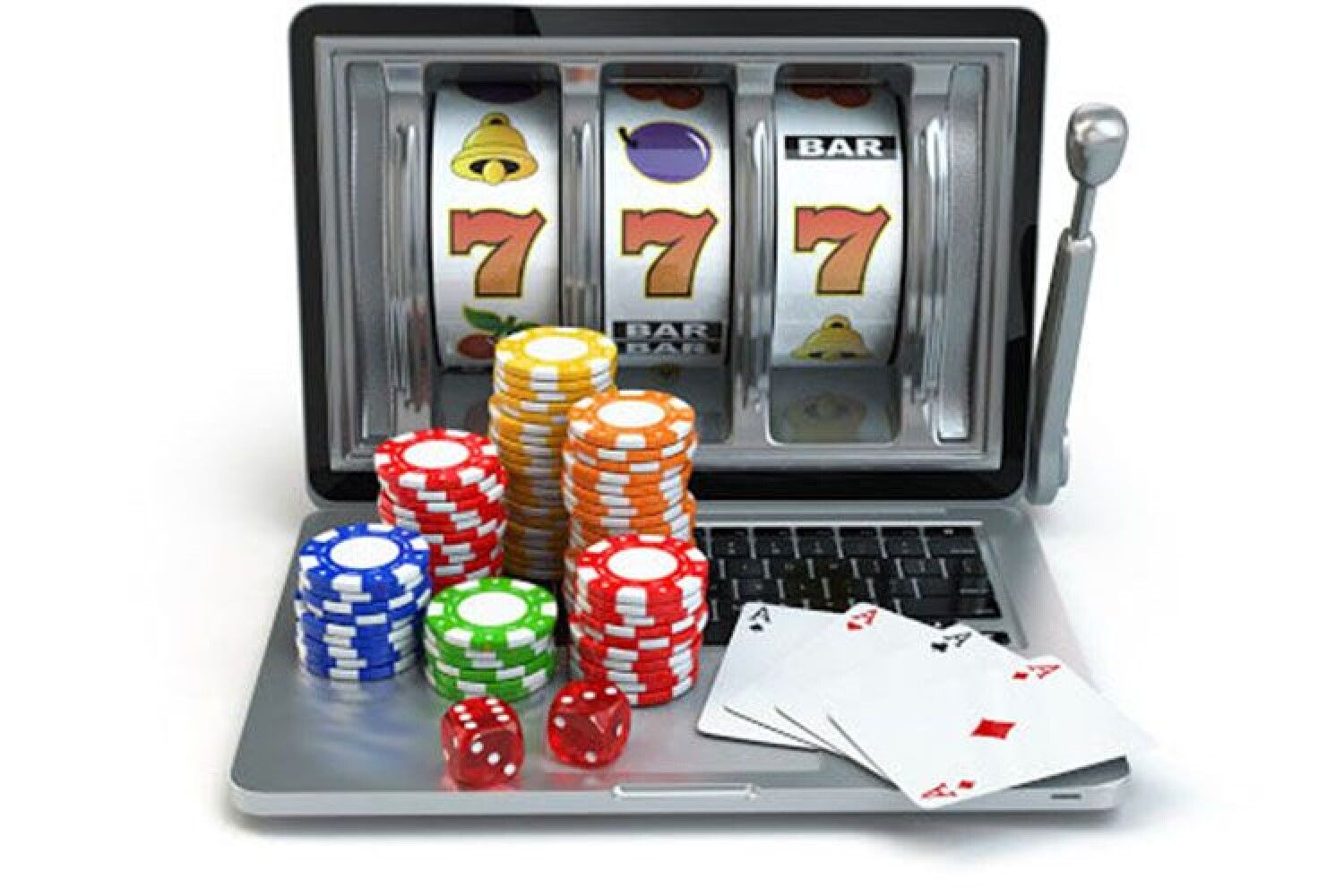
As gambling spread throughout Europe, various cultures influenced the development of casino games. For example, the French contributed the roulette wheel and the concept of the casino as a leisure destination. These innovations not only shaped the types of games played but also influenced the architectural style of casinos, as opulent designs became synonymous with gambling establishments, attracting the affluent classes who sought excitement and escape.
The Rise of Modern Casinos
The 19th century marked a significant transformation in the gambling landscape, with the establishment of large, ornate casinos in major cities across Europe. Monte Carlo, with its lavish casino, epitomized this era, drawing in visitors from around the world. These establishments became cultural landmarks, representing sophistication and luxury, and were often featured in literature and art, further cementing their status in society.
During this period, the concept of organized gambling took shape, leading to the introduction of house rules and regulations. The emergence of casinos in the United States, particularly in Nevada, heralded a new chapter in the evolution of gambling. Las Vegas, with its neon lights and extravagant themes, became synonymous with high-stakes gaming, attracting millions of tourists eager to test their luck. This era saw a shift from traditional, genteel venues to more dynamic and entertainment-focused environments.
The expansion of casino culture also coincided with technological advancements. The introduction of slot machines in the early 20th century transformed the gambling experience, making it more accessible to the masses. These machines appealed to a broader audience, offering players a chance to win big with minimal effort. As casinos adapted to these changes, they began to incorporate various forms of entertainment, such as live performances and dining options, which further solidified their role as multifaceted entertainment hubs.
Cultural Impact of Casinos
Casinos have significantly influenced popular culture, serving as a backdrop for films, music, and literature. From classic films like “Casino Royale” to modern blockbusters, the glamorous and often tumultuous world of gambling captivates audiences. This cultural representation plays a pivotal role in shaping public perception of casinos, often romanticizing the thrill of winning while glossing over the potential pitfalls associated with gambling addiction.
Moreover, casinos often reflect the societal values of their time. In regions where gambling is heavily regulated, such as in many parts of the United States, casinos are seen as controversial establishments, sparking debates around morality and responsibility. Conversely, in places where gambling is embraced, such as Monaco and Macau, casinos are celebrated as integral parts of the economy, attracting tourists and boosting local revenue.
The design and operation of casinos also reveal cultural nuances. For instance, in Asian cultures, gambling is often intertwined with traditions and celebrations, highlighting the social aspect of gaming. In contrast, Western casinos may prioritize individualism and competition. This cultural dichotomy emphasizes how gambling is not merely a game of chance, but a reflection of broader societal beliefs and values.
Challenges and Regulatory Changes
As the casino industry has evolved, it has faced numerous challenges, particularly concerning regulatory frameworks. The rise of online gambling has prompted governments around the world to reassess their laws, balancing the need for consumer protection with the potential for economic growth. Many jurisdictions have implemented stricter regulations on both physical and online casinos, aiming to combat issues such as gambling addiction and underage gaming.
Additionally, the industry has had to contend with the negative perceptions surrounding gambling. High-profile scandals and stories of addiction have led to increased scrutiny, pushing casinos to adopt responsible gaming initiatives. These measures often include self-exclusion programs and educational campaigns designed to inform players about the risks associated with gambling. By addressing these issues head-on, the industry strives to maintain its reputation and ensure a sustainable future.
Furthermore, the advent of technology has transformed how casinos operate, introducing new challenges and opportunities. The rise of mobile gaming and online platforms has expanded the market, allowing players to engage in gambling from the comfort of their homes. This shift necessitates a new approach to regulation, as lawmakers work to keep pace with rapidly changing technologies while ensuring player safety and fairness in gaming.
Spinbara Casino: A Modern Gaming Experience
epitomizes the evolution of casinos in the digital age. With a diverse array of over 2,500 games, including slots and live dealer options, it caters to a broad audience of players. The platform’s emphasis on security and regulation ensures that users can enjoy a safe and fair gaming experience, highlighting the industry’s commitment to responsible gambling practices.
Moreover, blends traditional casino elements with modern technology, offering generous bonuses and a structured VIP program that enhances player engagement. The casino’s commitment to 24/7 customer support further demonstrates its dedication to providing an unparalleled gaming environment, fostering a sense of community among players.
In an era where online casinos are becoming increasingly popular, Spinbara stands out by not only offering a wide range of games but also by prioritizing the user experience. By combining convenience, security, and entertainment, represents the future of gaming, continuing the journey of casinos as they evolve with time and culture.